Connecting the Downtown Experience
For many visitors to Downtown Mobile, the experience begins long before they reach their destination. Whether arriving for a convention, a waterfront event, or an afternoon exploring the city’s historic streets, visitors must first navigate unfamiliar roadways, locate parking, and transition from vehicle to pedestrian. This project developed a wayfinding strategy that connects each stage of that journey, linking arrival, orientation, and pedestrian navigation into a seamless experience that encourages confident exploration of downtown.
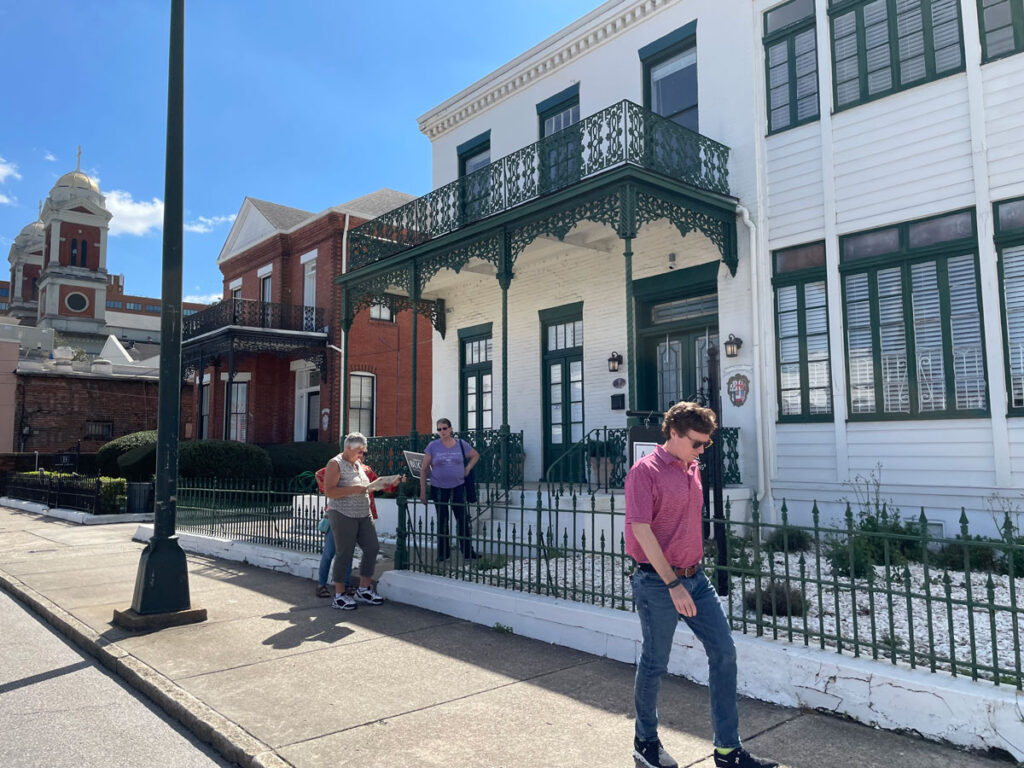
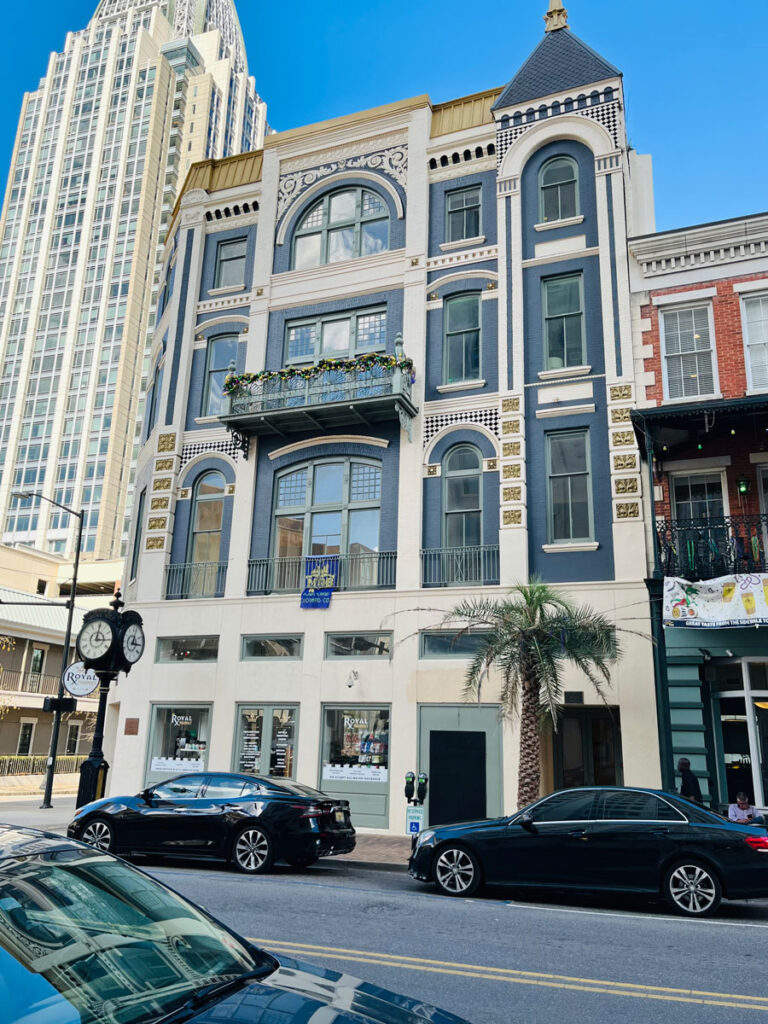

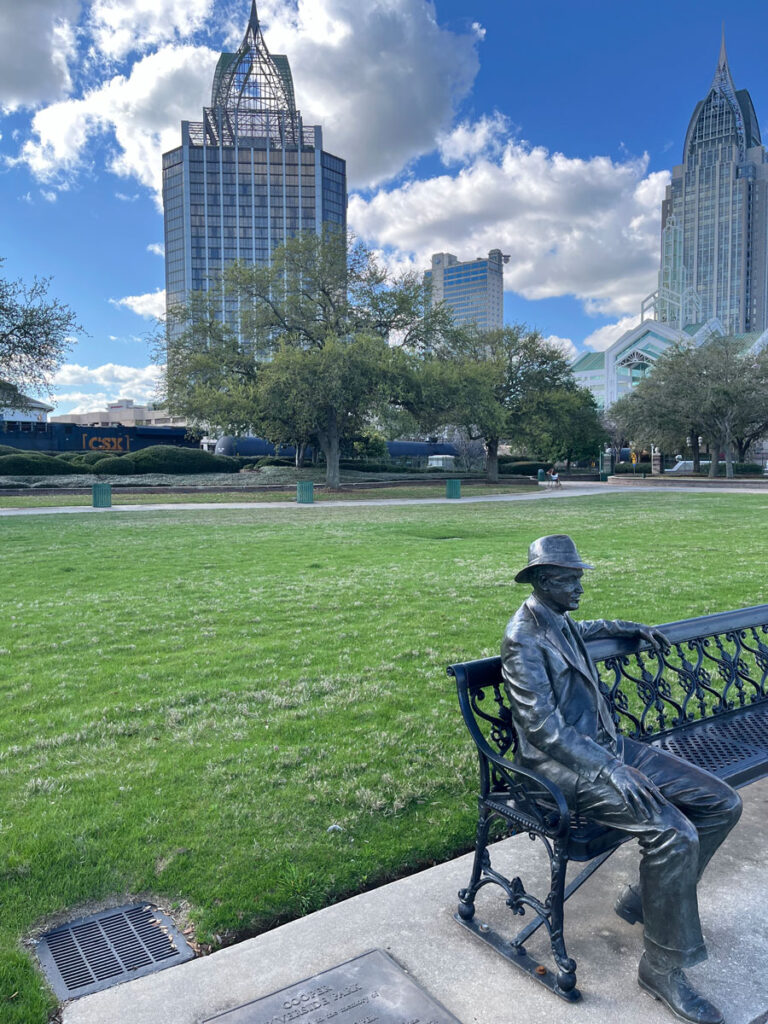
From Arrival to Exploration
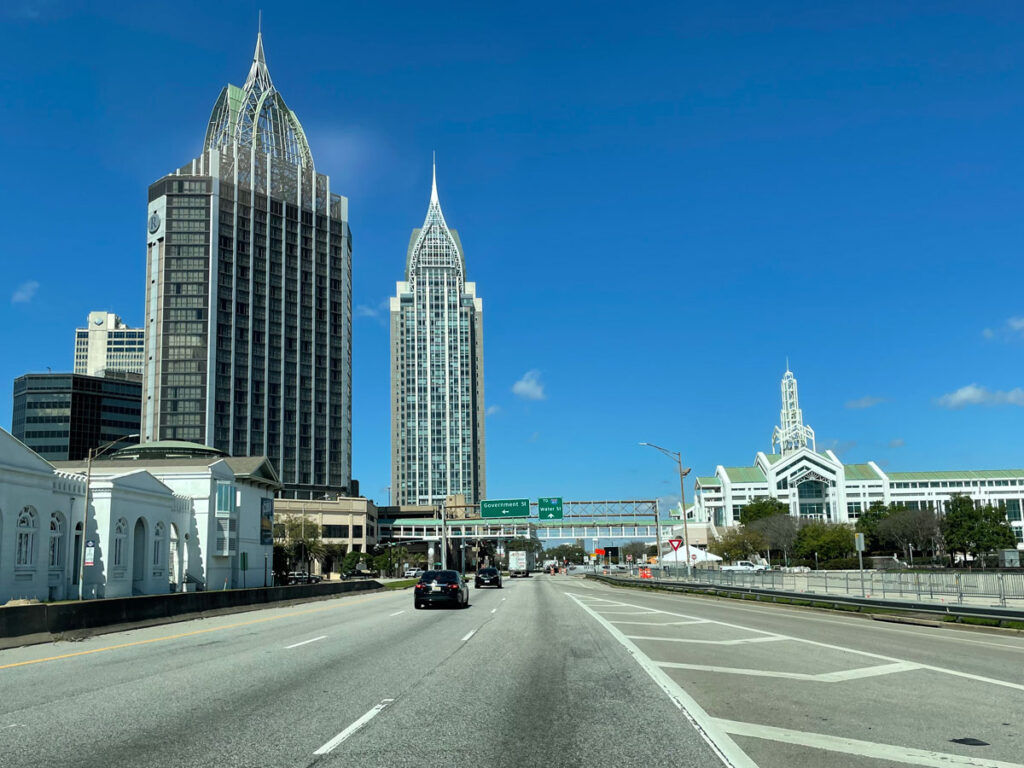
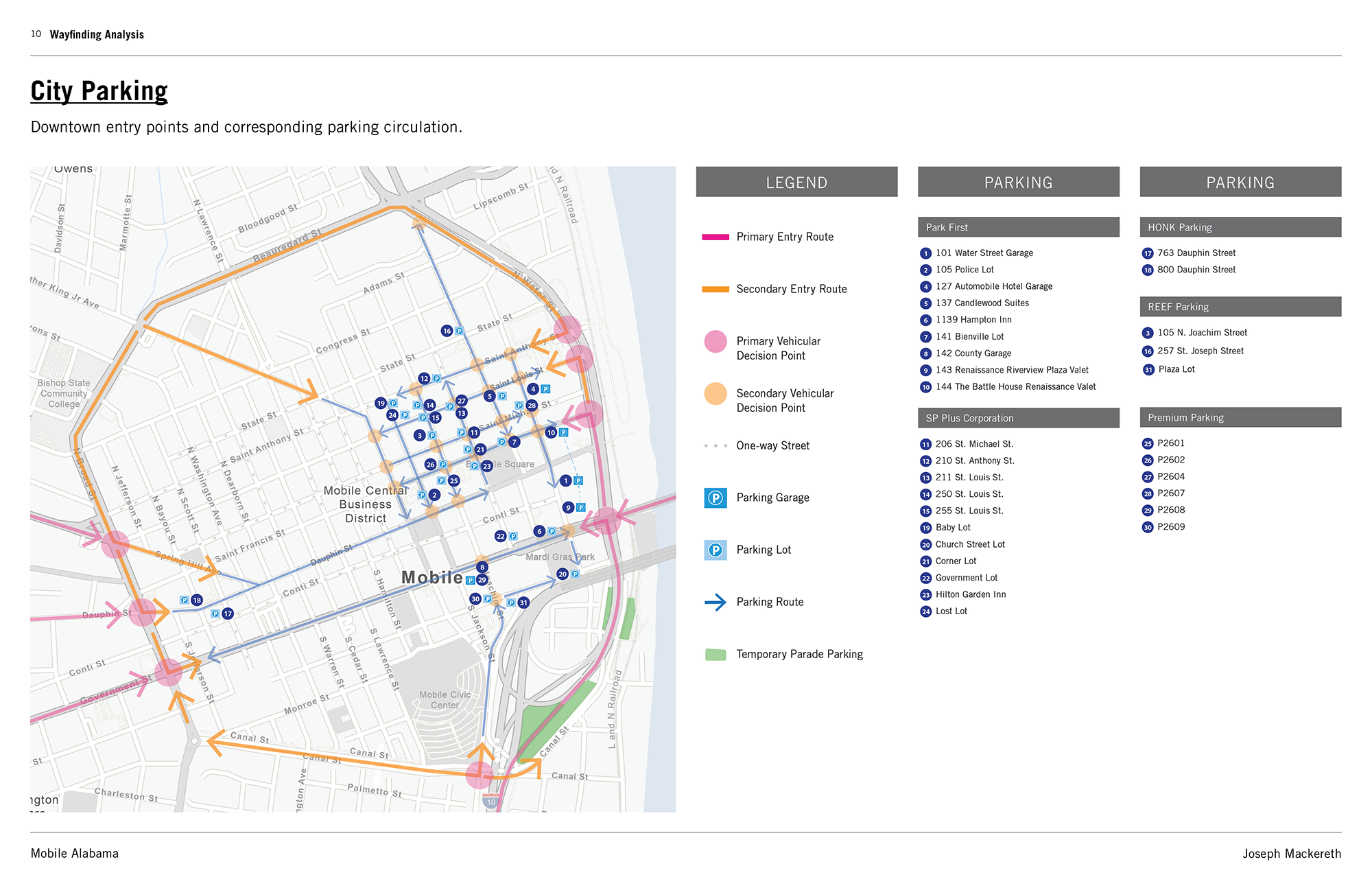
Downtown Mobile attracts visitors through a network of gateways, event venues, and waterfront destinations. While parking was abundant, the relationship between arrival, parking, and pedestrian movement lacked clarity. The project examined how visitors transition from driving to walking, recognizing that successful pedestrian navigation begins long before someone reaches the sidewalk. By organizing this sequence into a cohesive wayfinding strategy, the system encourages visitors to confidently explore downtown on foot.
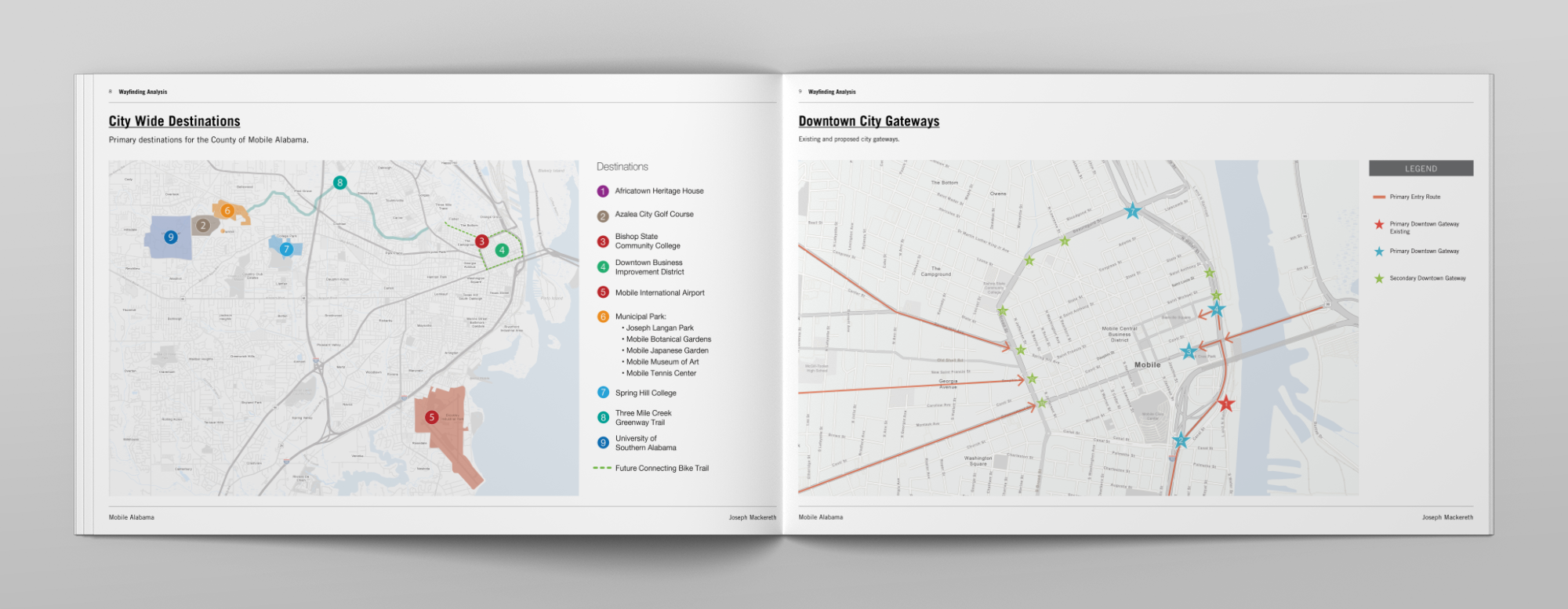
Parking as the Beginning of the Journey
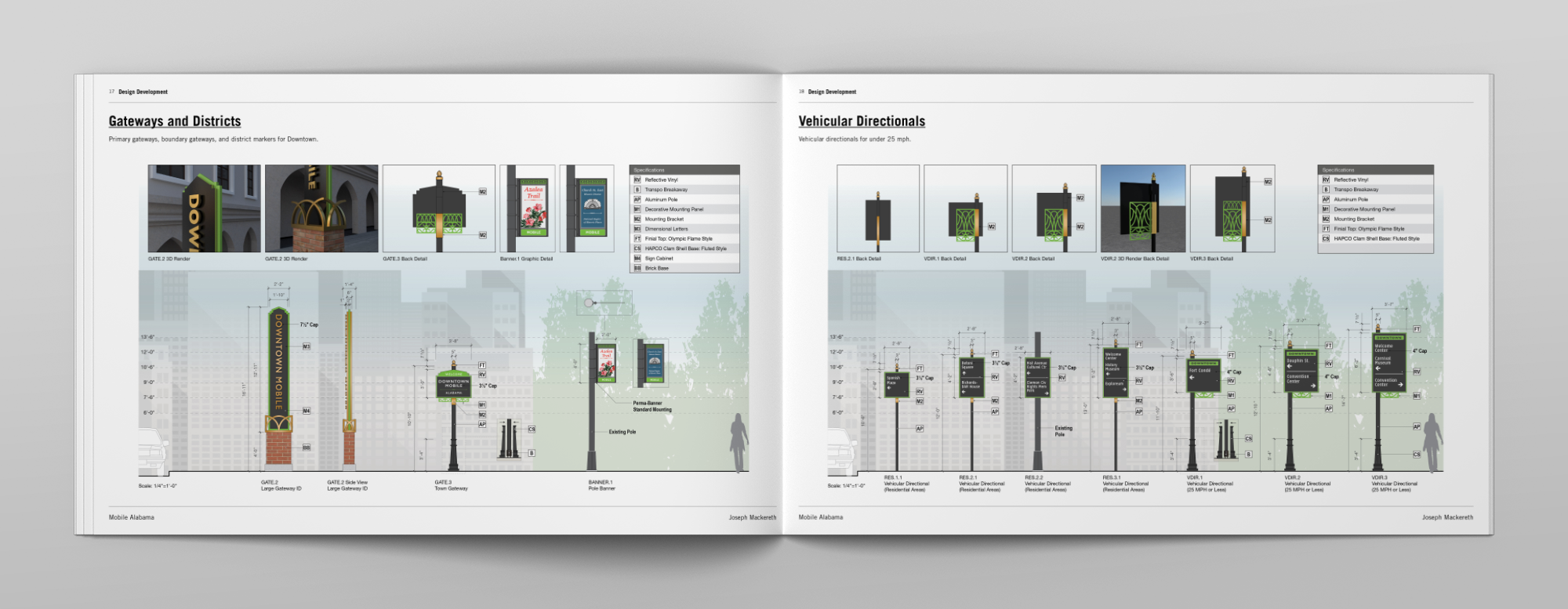
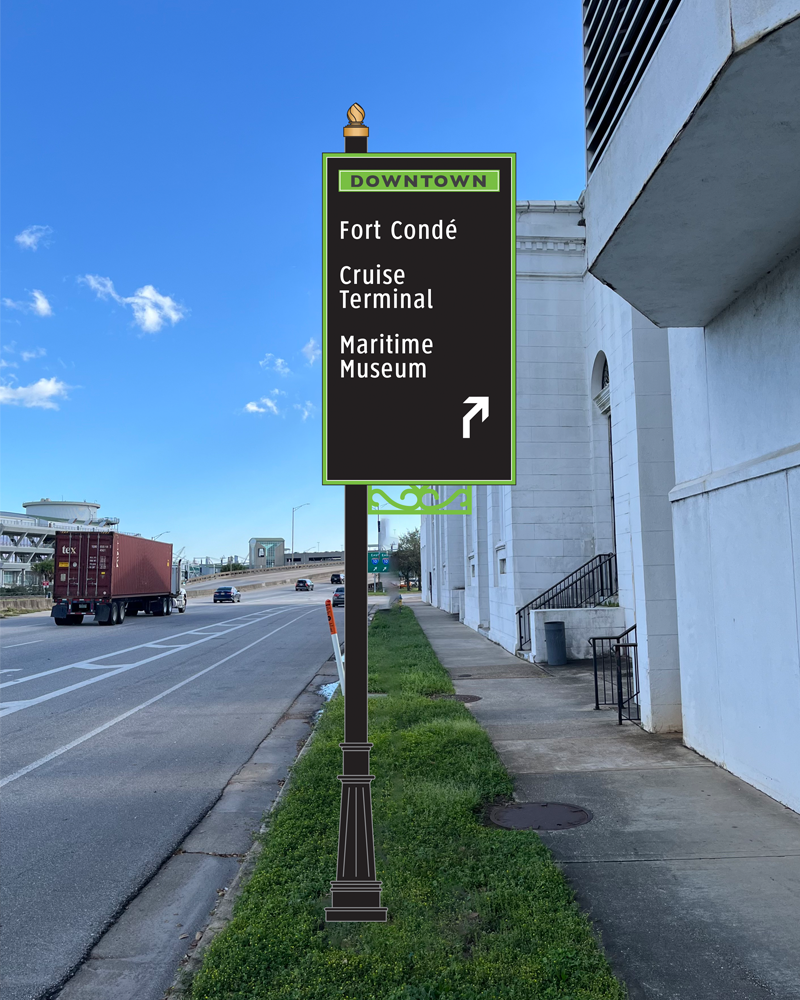
The analysis identified primary and secondary vehicular routes that guide visitors into the downtown core and evaluated how parking circulation influenced their arrival experience. Rather than treating parking as an isolated destination, the strategy connected parking facilities to the broader wayfinding system. Directional information was concentrated at major vehicular decision points, allowing drivers to locate parking efficiently while establishing predictable pedestrian starting locations throughout downtown.
Information at the Point of Arrival
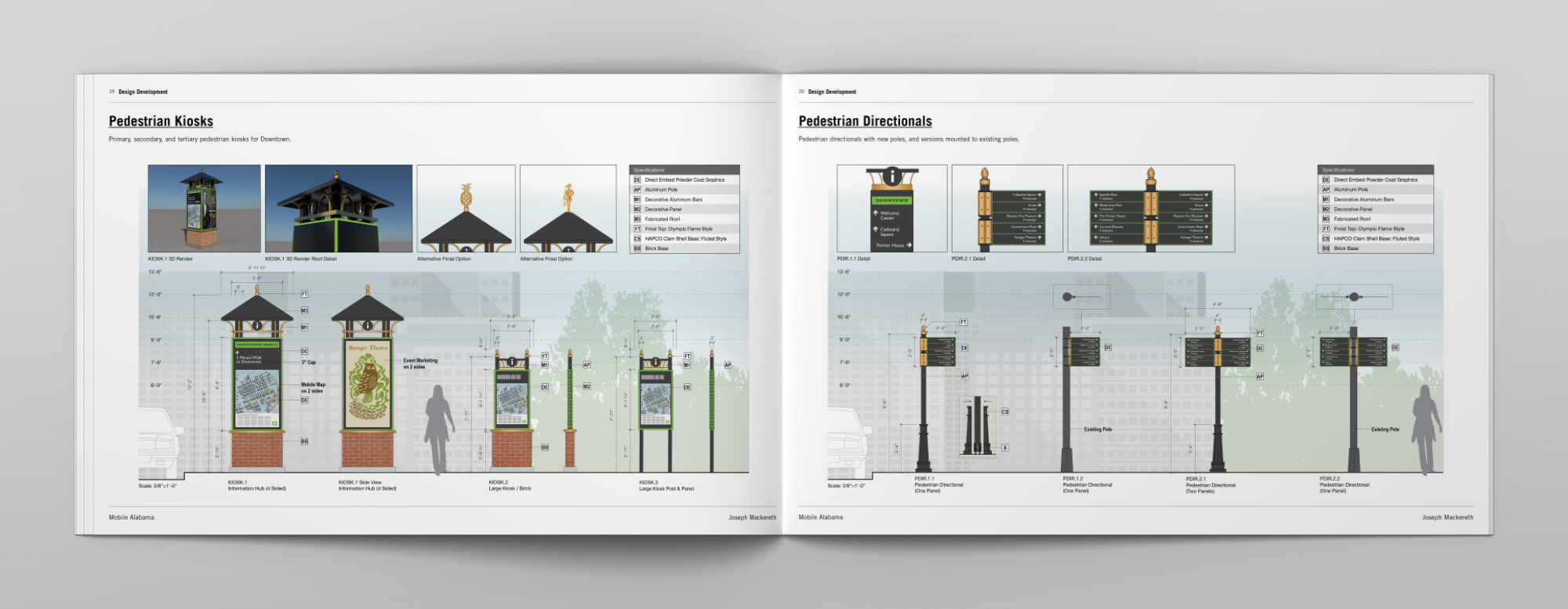
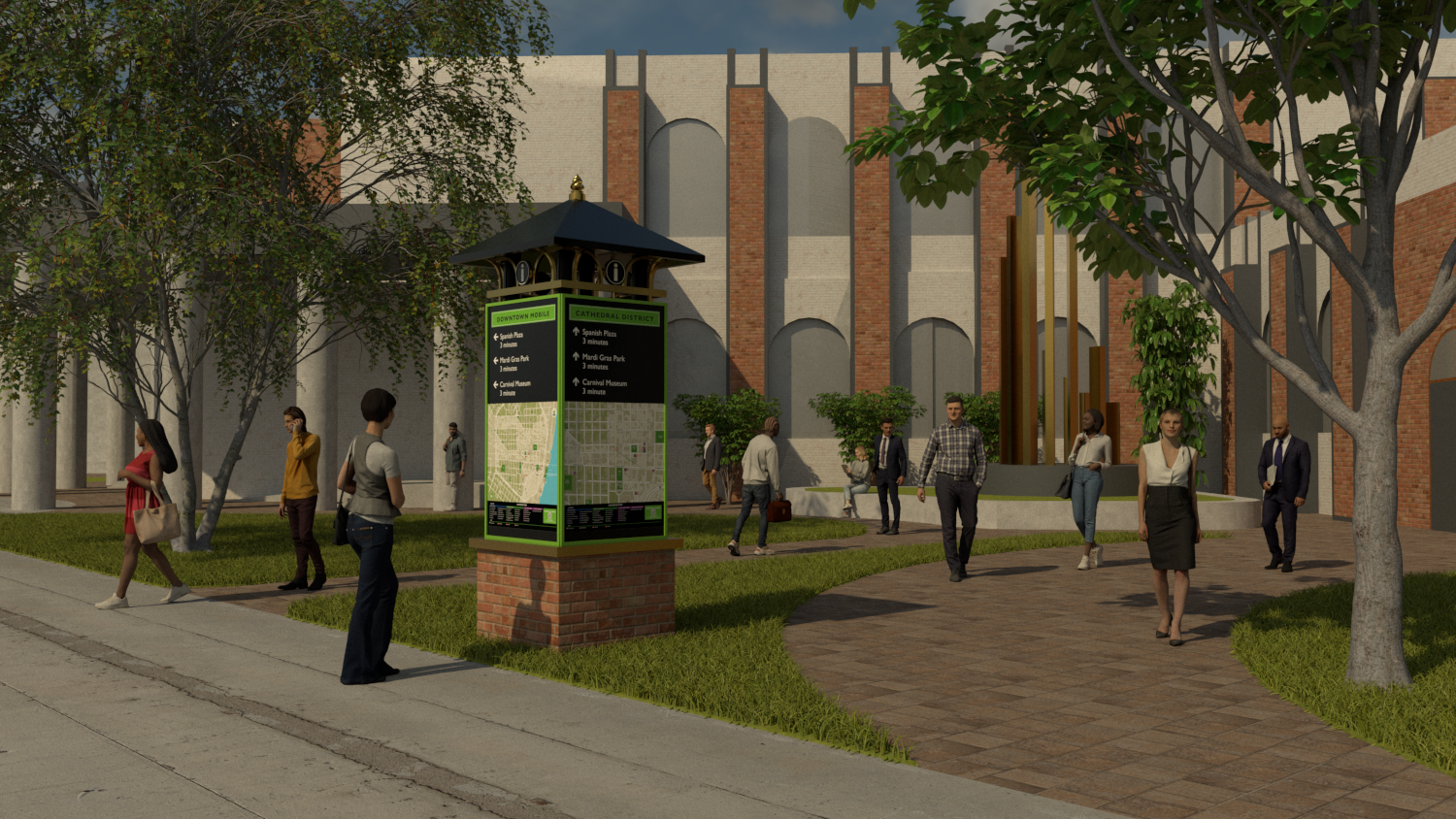
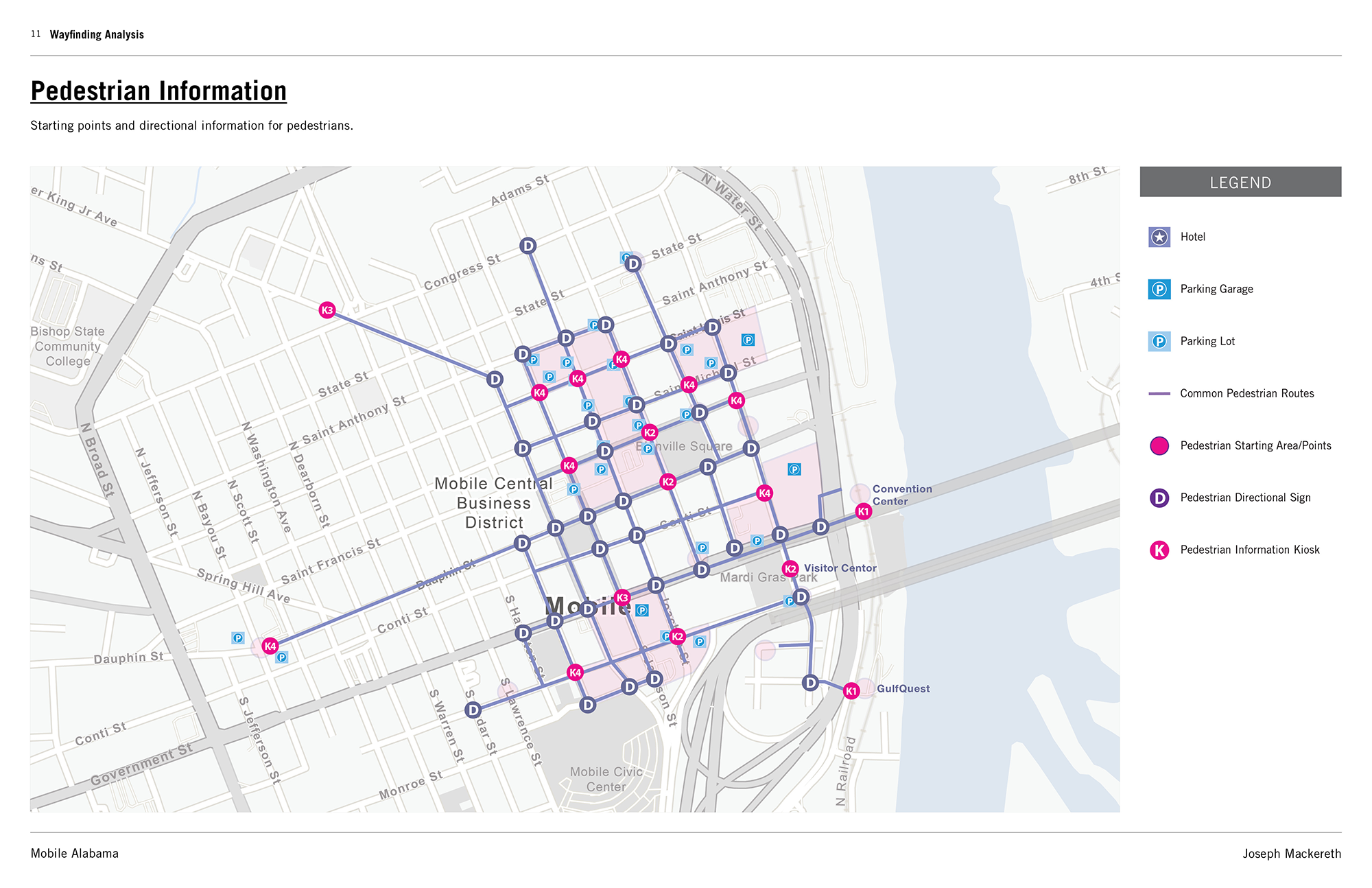
Once visitors leave their vehicles, their informational needs shift from driving to walking. Orientation kiosks and pedestrian information signs were strategically located near parking garages, surface lots, hotels, the convention center, and other common arrival points. These locations provide maps, destination information, and walking routes at the moment visitors are most likely to ask, “Where am I, and where should I go next?” Delivering information at these transition points reduces uncertainty and establishes confidence before visitors begin exploring downtown.
Guiding Pedestrian Movement
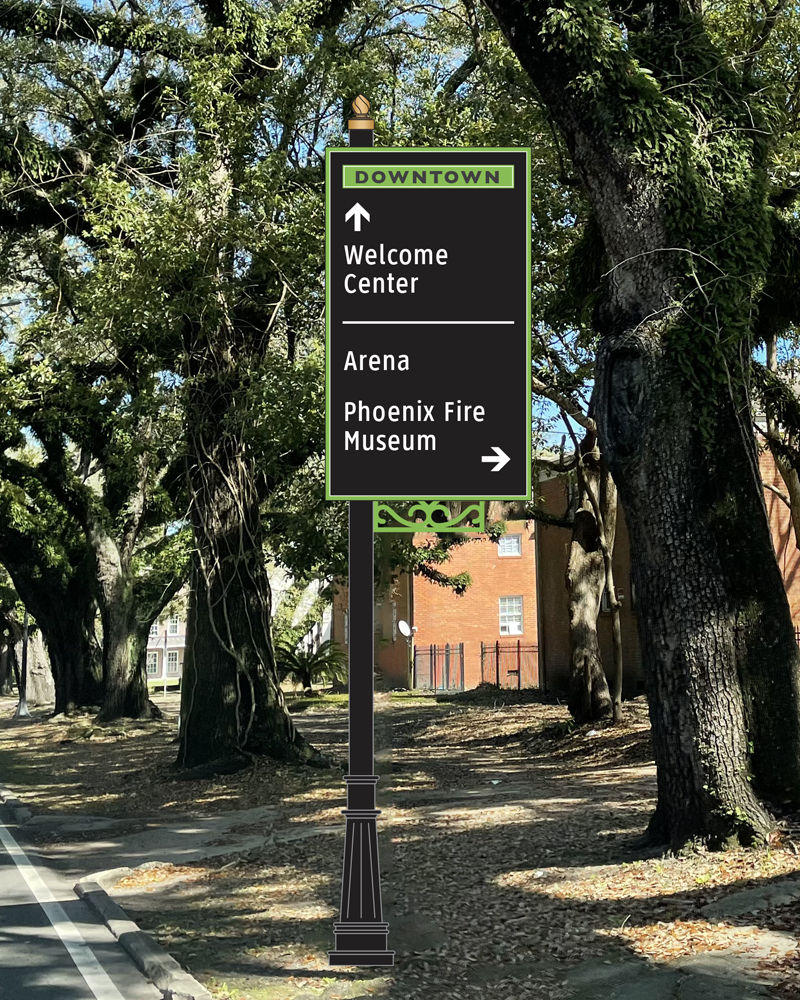
From each arrival point, the pedestrian wayfinding network leads visitors along the city’s primary walking routes toward civic destinations, entertainment districts, hotels, and the waterfront. Directional signs reinforce decision points while orientation kiosks provide broader context within the downtown street network. Together, the parking strategy and pedestrian information system create a continuous sequence of navigation—from entering downtown, to parking, to confidently exploring the city on foot.